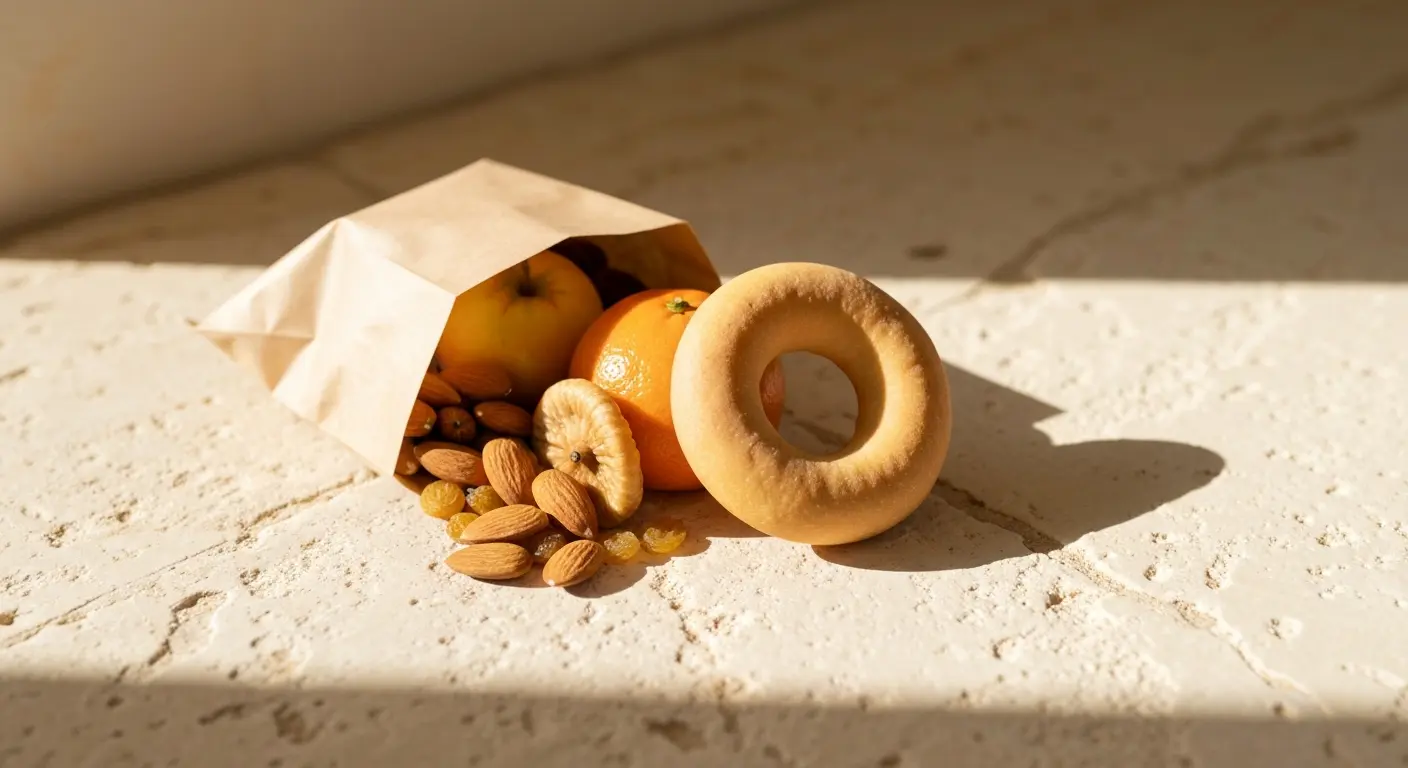
Borża ta’ San Martin: the Maltese St Martin tradition
In many European countries, the feast of St Martin is associated with various cultural traditions that historically marked the transition from autumn to winter and reflected the agrarian rhythm of the year. Malta, however, has preserved a completely different version of this tradition – intimate, family-oriented and centred mainly on children.
What is a borża and what does it symbolise
The word borża in Maltese means a small bag or pouch. Traditionally, it was a simple cloth or paper bag filled with whatever was commonly available during the autumn months. Malta historically lacked an abundance of home-grown produce, and even small gifts therefore carried meaning: they symbolised sharing, modesty and the small joys of everyday life.
The contents of a borża vary from family to family, but it usually includes nuts, dried fruit, raisins, a tangerine or an apple. Some families add little extras, crayons or small sweets. A typical component is also qagħaq ta’ San Martin, a ring-shaped sweet bread that has been associated with this tradition for generations, and some bakeries prepare it exclusively in November.
Why St Martin is significant and how different traditions developed
St Martin of Tours is one of the traditionally venerated Christian saints. The best-known legend recounts how, as a Roman soldier, he shared his cloak with a freezing beggar – a gesture that became a symbol of kindness, sharing and care for those in need. His feast on 11 November became, in various countries, a marker between autumn and winter, and over time different customs formed around it. In some places it involved communal sharing of food, in others charitable giving, children’s rituals or small family traditions. This diversity illustrates why different cultures, in Europe and beyond, developed their own versions of the same feast according to local circumstances and customs.
Schools in Malta – from kindergarten to the early years of primary – actively keep the tradition alive. They usually prepare a simple activity for children, recall the legend of St Martin and hand out small borżi, which form part of the November rhythm of school life. The exact approach differs between schools, but the core idea is shared: a small gift symbolises kindness and sharing, which is also the essence of the original St Martin tradition.