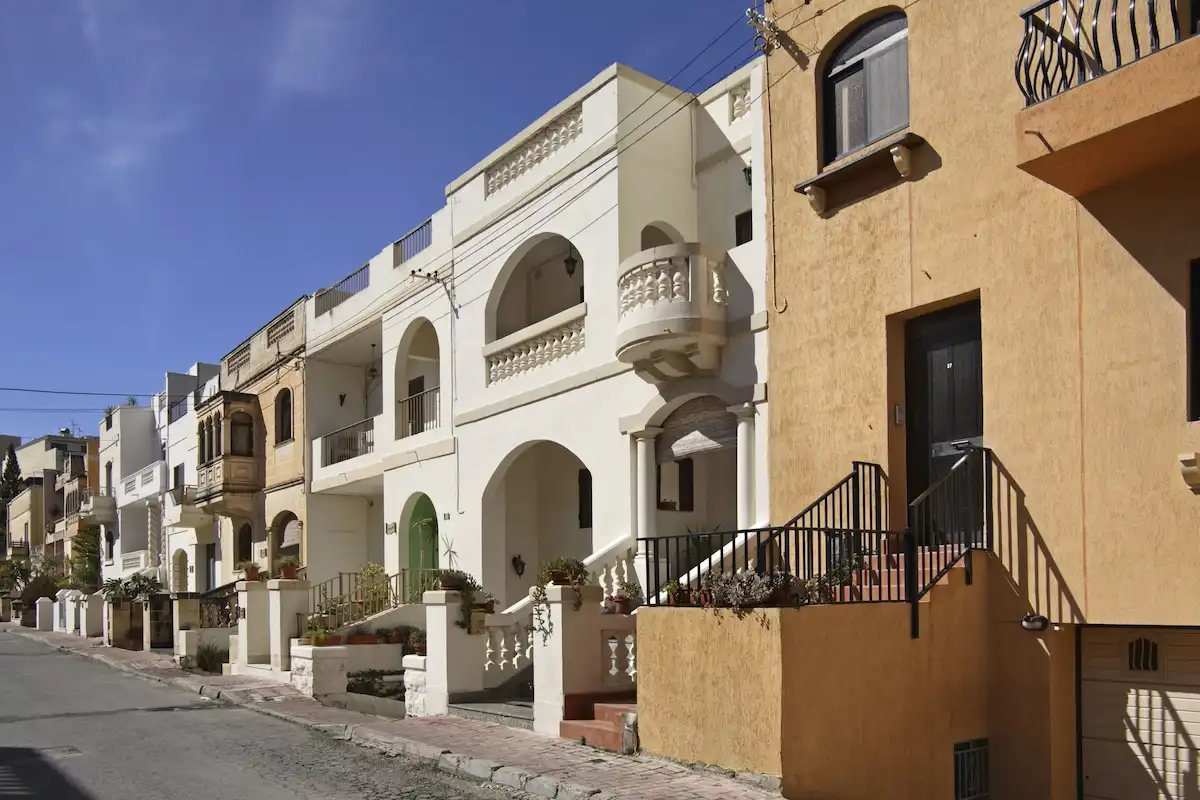
Renting long-term in Malta: everything you need to know before you start your search
Finding long-term accommodation in Malta is one of the first challenges that shows expats how life here really works. The island is small, demand is huge, the quality of apartments ranges from perfect new builds to damp basements, and the local “it will be fine” approach is not always compatible with what many people consider a European standard. If you have never lived here, you often have no idea how important all the things are that you take for granted in most other European countries: insulation, windows, water pressure, the orientation of the building, parking, humidity levels in the apartment, or whether you will be able to heat your bedroom properly in December.
This article is a practical guide to help you understand where to start, what to ask, what to check and what to avoid. The legal details (contracts, termination, ARMS, deposits) are covered in a separate follow-up article — here we focus on the search itself, because it is exactly at this stage that most mistakes happen, and these mistakes later cost hundreds of euros and a lot of nerves.
How to start looking for accommodation in Malta (and avoid the basic mistakes)
One of the most common mistakes expats make is that they open a property website, click on the first flat with nice photos and fall in love with a place with a sea view – and then they discover that everyday life on the island works completely differently. The photos do not show that your commute in the morning and evening rush hour might take an hour, that you have to collect your child from after-school care by five o’clock, that a top-floor apartment turns into a sauna in summer and a fridge in winter, or that your electricity bills can be very unpleasant.
Before you look at a single advert, sit down and write down three things:
- where your employer has offices or sites
- how much you can realistically afford to pay in rent including water and electricity
- how long you expect to stay in Malta
How to choose the right area to live in Malta
In Malta, location has a huge impact on your quality of life. It is less about a “nice neighbourhood” and much more about very practical things: how much time your daily journeys will take, how frequently buses run (they are regular, but not every five minutes), how realistic parking is in the area, whether you will mind having bars within earshot at night, or the fact that larger supermarkets are often located outside the very centre. The island is densely built up, and the difference between living “just two streets away” can mean twice as much noise, no chance of parking and a different rent level.
It is therefore a good idea to sketch out a map of your everyday routes right at the start — school, work, sports activities, groceries. Only then choose a few areas where it actually makes sense to search.
Indicative prices for long-term rentals in Malta
To give you a rough idea, below is the usual range of long-term rents – this is an indicative spread based on the size of the apartment and its standard. Prices naturally vary depending on the area, year of construction, orientation of the flat and technical condition, but as a rule of thumb you can expect:
- 1 bedroom: usually €700–1,000 per month
- 2 bedroom: approximately €900–1,400 per month
- 3 bedroom: most often €1,200–1,800 per month
In some areas (Sliema, St. Julian’s) prices can be higher, while in the south, west or north they may be lower — but in the end it is often the technical condition, humidity and running costs that decide whether an apartment is truly good value. This is why it makes sense to look not only at the rent itself, but also at the expected costs of electricity, water and internet.
A realistic budget: utility costs in Malta
In Malta, your electricity bill can vary significantly depending on what the apartment is like and how you use it. A combination of air conditioning, a dehumidifier (if the AC does not have a dehumidifying mode), an electric boiler and poor insulation can easily push your monthly bills to €60–130 even in periods when the air conditioning is not running at full power. If the apartment is older, damp and the AC runs most of the day — typically in summer or in the damp winter months — it is not unusual for the amount to climb to twice as much.
Water consumption in Malta is usually lower than electricity costs — most households pay €15–30 per month depending on the number of people and the type of tariff. In a smaller apartment with one or two people, the amount can be lower, while families in a 2–3 bedroom flat will pay more. Water is billed together with electricity through ARMS, so the final price also depends on whether the apartment is on a cheaper domestic tariff and how many people are registered on the contract.
This is exactly why it makes sense to include these items in your housing budget and not focus solely on the rent quoted in the advert. At every viewing, always ask how much the previous tenants actually paid in summer and in winter, and which ARMS tariff the account is on.
💡 The right tariff matters a lot:
– Domestic is the tariff for private residential use. It is cheaper and, if the correct number of residents is registered in the flat, it includes an eco reduction (a discount based on the number of occupants).
– Residential is a more expensive tariff used for short-term lets or unregistered tenants. If a long-term rental is billed on a residential tariff, you are paying more than you should.
Having the correct tariff in place can save you tens of euros per month — and ideally you should know which tariff applies before you sign the contract.
Where to look for a rental apartment in Malta: the best websites, agencies and expat tips
Real estate agencies: when they are worth it and when they are not
In my experience, most offers on real estate agency websites are out of date or you will be told that the apartment is “already gone”. It still makes sense to contact an agent though – they often know about properties that never appear online and can save you a lot of time. They can quickly arrange several viewings in one day, have a good overview of the current market and usually know which apartments are actually available.
Bear in mind, however, that they charge a standard commission equal to one month’s rent plus VAT. If an agent asks for a higher amount, or even for money before the contract is signed, it is a warning sign and I would recommend walking away from that cooperation.
Maltapark, Facebook, PropertyMarket: how to recognise a genuine listing
You can find landlords renting without an agency via Maltapark, PropertyMarket or various Facebook groups. The main advantage is that you do not pay any agency commission. The downside is that you have to be very thorough when checking who you are actually dealing with. If someone asks you for a deposit or a “reservation fee” before you have even seen the apartment, this is an immediate red flag and you are better off ignoring the advert.
It is also good practice to look at the photos very carefully. Sometimes you will see adverts where the furnishings or the overall look of the apartment do not match what apartments in Malta actually look like – for example the sockets, window types, kitchen style or views that clearly are not on the island. The aim of such adverts is usually to get an advance payment out of you, and you will never see the place. Once you have gone through enough listings, you will quickly notice that Maltese apartments tend to have quite similar layouts and similar furniture – most landlords buy from the same suppliers. This actually helps you spot photos that clearly do not belong to Malta.
Recommendations and personal contacts: the fastest way to find a good apartment
Many apartments are rented out before they ever appear online. Ask colleagues at work, other parents at school or people in community groups. Malta is small — personal recommendations from people you know often work much better than any public advert. Even so, with an apartment found through friends you still need to go through all the formalities just as carefully as you would with a place found via a listing.
What “long let” in Malta really means (and what to watch out for)
Terms like “long let”, “fully furnished” or “bills not included” sound straightforward, but in Malta they can hide very different realities.
Long let means a contract for a year or more. The law now requires a written contract and its registration with the Housing Authority — anything else is illegal. Still, you will regularly come across landlords who want a “WhatsApp contract only” or who insist on a six-month contract with a vague “we will see after that”. For long-term accommodation, this is far from ideal.
Fully furnished can mean a beautiful apartment finished to a high standard, but just as well a room furnished with whatever was left over from someone’s basement. You simply cannot make a decision without a viewing and without going through everything in person.
Bills included sounds attractive at first glance, until you find out that the landlord’s ARMS account is on a more expensive tariff for short-term lets. Always clarify which tariff is being used for utilities — the difference can be 40–60% of the bill.
Viewing an apartment in Malta: a complete checklist
The viewing is crucial. It can save you hundreds of euros a month simply by allowing you to find out in time whether the apartment traps moisture, whether the air conditioning works, what the water pressure is like and whether the windows let in noise from the street.
Damp and mould: the most common problem in Maltese apartments
Damp is a big topic in Malta and is definitely something you should take seriously during the viewing. Look behind wardrobes, under the bed, into the corners of rooms and around window frames. Freshly painted patches may look like normal maintenance at first sight, but very often they simply hide long-standing mould problems. If the apartment feels musty or you can smell damp even in the summer months, you can expect the situation to be much worse in winter.
Air conditioning: why proper AC is essential in Malta
Test every air conditioning unit. Ask when it was last serviced. Older units often still work, but they use significantly more electricity. If there is no air conditioning in the bedrooms, they will be almost unusable in summer. In winter, a big advantage of modern AC units is that they can dehumidify the rooms, which helps heat stay inside and reduces the risk of mould growth.
Windows, noise and orientation: why two similar apartments can feel completely different
Double-glazed windows are in Malta more of a luxury than a standard feature you might be used to in central or northern Europe. An apartment above a bar will have its own nightlife every Saturday. A ground-floor flat may be more humid, while a penthouse on the top floor often feels like a sauna in summer. It also pays to notice where the apartment is facing – whether it is in the shade all day or in direct sun from morning to evening.
Bathroom, water pressure and boiler: common technical issues
Check the water pressure — in Malta it is not unusual to have a shower with very weak pressure. Ask about the size and type of boiler. A small electric boiler means that three people will not all manage to shower with hot water one after another, and you will need to coordinate shower times.
Inventory and condition of the apartment: how to protect your deposit
If there is no written inventory attached to the contract (there often is not), make your own photos. Really. They can be very useful later when you are trying to get your deposit back and there is a dispute about damage to the furnishings.
Warning signs: when it is better to walk away
In Malta, the biggest mistake is to rush. If something does not feel right, it is better to leave.
Typical red flags include:
- the landlord refuses to sign a written contract
- they refuse to register the contract with the Housing Authority
- they insist on an expensive ARMS tariff and are not willing to discuss changing it
- the contract is for only six months and “we will see after that”, even though they present it as a long-term rental
- they downplay damp or structural problems
- they pressure you to pay immediately because they allegedly have another interested tenant who will take the place
Never pay anything in advance if:
- you do not have a clearly agreed price and conditions
- there is no draft contract
- someone wants cash “just like that”, without any kind of receipt, because they allegedly have another person interested as well
- you have not seen the apartment in person
If you have doubts, there will always be a better apartment to find.
Your first weeks in Malta: why it is worth starting with short-term accommodation
If you are coming to Malta for the first time, the safest strategy is to book short-term accommodation for 1–2 months. Yes, it is a higher initial cost, but in the long run it can save you a lot of stress and money. You can calmly explore several areas, test real journey times, see what different neighbourhoods feel like in the evening or at weekends and, most importantly, choose an apartment based on the reality on the ground, not just on photos.
Short-term accommodation also helps you avoid the situation where you sign a long-term contract and only then realise that the place does not suit you – for example because of noise, damp or commute times. With most one-year contracts, you can leave without penalty only after six months, and on top of that you usually have to give one month’s notice. A bad initial choice can therefore tie you to an unsuitable apartment for more than half a year.
Final tips: how to find an apartment in Malta in a smart and calm way
Looking for long-term accommodation in Malta can be time-consuming and mentally exhausting. However, if you are clear about your area, budget and expected length of stay, if you combine agents, direct adverts and personal contacts, and if you go to viewings with your eyes open, you can find a place where you will live well — without extreme prices or painful compromises.
And if a little warning light goes off in the back of your mind… listen to it. In Malta, there will always be another apartment.
FAQ: common questions about long-term accommodation in Malta
Should I look for an apartment before moving to Malta?
Short answer: usually not. Photos can be misleading, you cannot assess the technical condition, and many apartments look very different from their listing. People who book temporary accommodation for the first weeks and search on the spot usually get the best results. If you do need to reserve a place in advance, insist at least on a video viewing and work with a trusted agent.
Can you live in Malta without a car?
Yes, you can — but it depends on the area. Sliema–Gżira–St. Julian’s has the best public transport and a car is often more of a burden. In the north and south, or if you have children attending several activities or you need to commute to another part of the island, a car often makes life much easier. When choosing an apartment, your daily transport map plays a key role.
How fast do good apartments disappear in Malta?
In peak season (June–October), yes — good places can be gone within a few hours. Outside the main season you usually have more time, but it is still true that when something looks real, available and reasonably priced, you should arrange a viewing as soon as possible. It helps to have your documents ready and, if possible, a reference from a previous landlord.